
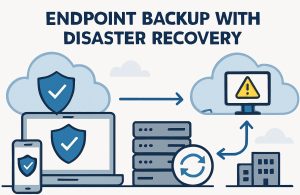
Understanding the Basics of Backup and Disaster Recovery
In an era where data is the lifeblood of modern enterprises, understanding the fundamentals of backup and disaster recovery has never been more critical. At its core, backup refers to the process of duplicating data to ensure it is preserved in the event of a loss, whether due to hardware failure, human error, or cyber threats. Meanwhile, disaster recovery encompasses a broader strategy, focusing on the restoration of systems and operations following a catastrophic event, ensuring minimal disruption to business activities.
Effective backup strategies typically involve regular and automated data copying, stored in secure, offsite locations, often in the cloud. This approach ensures that even if physical infrastructure is compromised, data remains accessible. Disaster recovery plans, on the other hand, are more comprehensive, involving detailed protocols for restoring IT systems, applications, and data to full functionality. These plans not only include technical steps but also designate roles and responsibilities to ensure swift and coordinated responses.
By integrating robust backup and disaster recovery solutions, businesses can protect themselves from the financial and reputational damages that data loss and downtime can incur, thereby ensuring business continuity and resilience in the face of unforeseen challenges.
The Role of Backup in Business Continuity
In the realm of modern business operations, ensuring continuity is not just a priority—it is a necessity. One of the cornerstones of business continuity is a robust backup strategy. When businesses fortify their digital infrastructure with comprehensive backup solutions, they safeguard not only data but also their operational viability in the face of unforeseen events.
A backup system acts as a safety net, capturing and storing critical data at regular intervals. This ensures that, in the event of a data loss incident—whether due to malicious cyberattacks, hardware failure, or natural disasters—businesses can swiftly restore their operations. Such preparedness is essential in minimizing downtime and sustaining business operations without significant disruptions.
Moreover, backup solutions contribute to data integrity. With consistent backups, businesses can maintain accurate records, which are essential for compliance with industry regulations and standards. This not only protects the business from potential legal repercussions but also enhances customer trust, as clients are assured of the company’s commitment to safeguarding their information.
Ultimately, implementing a thorough backup strategy is a proactive measure that fortifies a business against uncertainties, ensuring continuity and fostering resilience in an increasingly volatile digital landscape. By prioritizing backup systems, companies can navigate challenges confidently and maintain their competitive edge.
How Disaster Recovery Mitigates Business Risks
In the contemporary digital era, where data has become the lifeblood of businesses, ensuring the safety and availability of this data is paramount. Disaster recovery (DR) is not just a mere precaution; it is an essential strategy that businesses must implement to safeguard their operations against unforeseen disruptions. These disruptions can range from natural disasters, such as floods or earthquakes, to cyberattacks that have the potential to cripple an organization’s infrastructure.
Disaster recovery plays a crucial role in mitigating business risks by ensuring that businesses can quickly restore their operations and access critical data even after a major disruption. This capability is instrumental in minimizing downtime, which can be costly both financially and reputationally. By having a robust DR plan, businesses can maintain customer trust, as they demonstrate resilience and reliability in the face of adversity.
Key Components of an Effective Disaster Recovery Plan
- Data Backup: Regularly updated backups stored offsite or in the cloud to prevent data loss.
- Recovery Time Objective (RTO): The target time set for the recovery of IT and business activities after a disaster.
- Recovery Point Objective (RPO): The maximum acceptable amount of data loss measured in time.
By strategically implementing these components, businesses can fortify themselves against potential risks, ensuring continuity and stability even in the most challenging circumstances.
Key Components of an Effective Backup Strategy
In today’s digital landscape, where data is the lifeline of most businesses, having a robust backup strategy is not just an option but a necessity. An effective backup strategy is a comprehensive plan that ensures your data is protected against loss, corruption, or unauthorized access. Here are the key components that should be considered when developing an effective backup strategy:
1. Regular Backups
Regularity is the cornerstone of a successful backup strategy. Establishing a routine schedule for backups ensures that your data is consistently protected. This can be achieved through daily, weekly, or monthly backups, depending on the volume and criticality of the data.
2. Offsite Storage
Storing backup copies offsite is crucial to protect against local disasters such as fires or floods. Offsite storage can be achieved through cloud solutions or physical relocation of backup media to a secure location.
3. Data Integrity Checks
Regular integrity checks should be performed to ensure that backups are not corrupted and can be restored when needed. This involves testing backup files to verify that they can be successfully retrieved and utilized.
4. Encryption
Securing your backup data with encryption is vital to protect sensitive information from unauthorized access. Encryption should be applied both during data transfer and while at rest.
By implementing these key components, businesses can significantly enhance their resilience against data loss, ensuring continuity and peace of mind.
Implementing Disaster Recovery Plans for Optimal Results
In the modern digital era, businesses are increasingly reliant on technology and data to drive their operations. Consequently, the potential impact of unexpected disruptions—be it due to natural disasters, cyberattacks, or system failures—can be catastrophic. To safeguard against such eventualities, implementing robust disaster recovery plans is paramount. These plans ensure that businesses can maintain continuity and recover swiftly, minimizing downtime and financial loss.
A well-crafted disaster recovery plan should begin with a comprehensive risk assessment. This involves identifying critical systems and data, evaluating potential threats, and understanding the business’s tolerance for downtime. Based on these insights, businesses can prioritize recovery efforts and allocate resources effectively. It’s crucial to establish clear recovery time objectives (RTOs) and recovery point objectives (RPOs), which define the acceptable duration and data loss permissible during a disruption.
Moreover, leveraging advanced technologies such as cloud-based solutions and automated backup systems enhances the efficacy of disaster recovery strategies. Cloud solutions offer scalable and flexible storage options, ensuring that data is not only backed up regularly but also easily retrievable in the event of a disaster. Automation further streamlines recovery processes, reducing human error and expediting response times.
Regular testing and updates to the disaster recovery plan are equally essential. By simulating various disaster scenarios, businesses can identify potential weaknesses and rectify them proactively. This continuous improvement approach ensures that the recovery plan remains aligned with evolving threats and technological advancements.
Contact NetworkIT to Help You with Your Backup and Backup Plan
In today’s fast-paced digital landscape, safeguarding your business’s critical data is not just a necessity, but a strategic imperative. NetworkIT is your trusted partner in crafting a robust backup and disaster recovery plan, ensuring your business remains resilient in the face of unforeseen disruptions. Our team of seasoned IT professionals is adept at designing custom solutions tailored to your specific needs, providing peace of mind that your data is protected at all times.
By engaging with NetworkIT, you gain access to cutting-edge technology and innovative strategies that keep your operations running smoothly. Our comprehensive services include data backup, recovery solutions, and cloud storage options that are both scalable and cost-effective. Whether you are a small enterprise or a large corporation, our solutions are designed to grow with your business, ensuring continuity and minimizing downtime.
Moreover, our proactive approach means you are always one step ahead of potential threats. We conduct regular assessments and updates to your backup plan, adapting to the evolving technological landscape. Contact NetworkIT today to fortify your business’s future and secure your valuable digital assets.